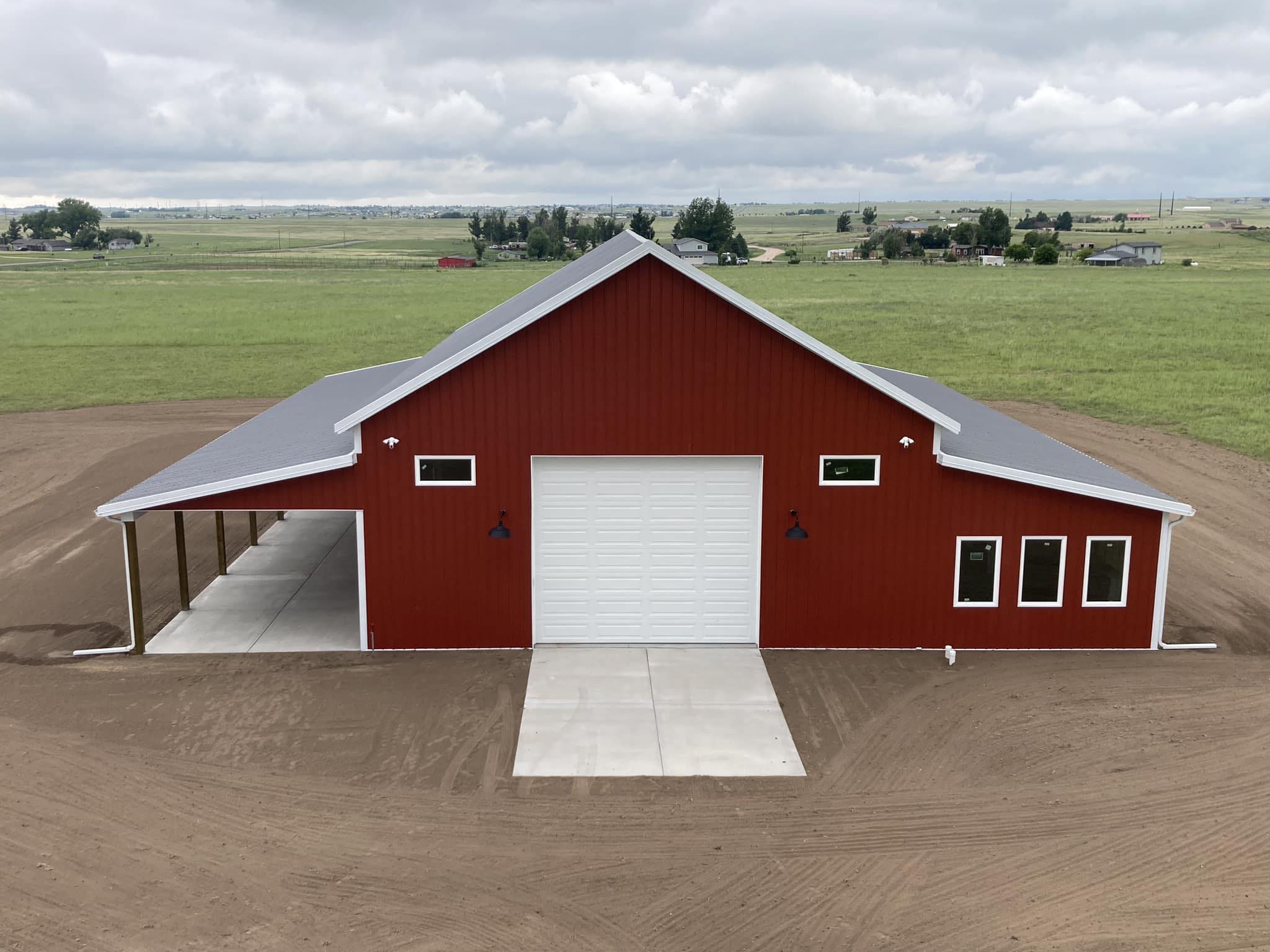
Crafting Resilient Structures: Adaptable Designs for Extreme Weather Nov 19, 2025
Extreme weather, characterized by intense storms, heavy snowfall, or severe drought conditions, demands an architectural approach that prioritizes resilience. Understanding the unique challenges posed by these conditions is the first step toward creating functional and lasting structures.
One key consideration in building for extreme weather is the orientation of the building itself. Proper orientation can help minimize weather-related impacts. For instance, in regions prone to strong winds, positioning a building to minimize surface area exposure can reduce potential damage. Similarly, considering sun exposure can help in harnessing natural light and heat, which is invaluable in cold climates.
Another critical element is the choice of building materials. Selecting materials known for their durability and resistance to local weather conditions is paramount. In tornado-prone areas, reinforced concrete or steel frames can provide the stability needed to withstand high winds. Meanwhile, for locations experiencing heavy snowfall, roofs should be designed with steep pitches and made from materials that can handle the weight of accumulated snow.
The importance of a well-designed foundation cannot be overstated. Crafting a robust foundation is crucial to maintaining a building's integrity during extreme weather events. Concrete slabs reinforced with steel can offer the necessary support against shifting soils caused by freeze-thaw cycles and heavy rainfall. Foundation design should also account for proper drainage to prevent water damage over time.
Incorporating climate-adaptive technologies can further enhance the resilience of structures. High Plains Home and Ranch Services advocates the use of energy-efficient systems and sustainable practices. Implementing features like energy-efficient windows, superior insulation, and renewable energy sources such as solar panels not only contribute to structural resilience but also provide long-term economic savings on energy costs.
Moreover, preparing for extreme weather extends beyond the physical construction. Developing a comprehensive maintenance plan is essential to ensure ongoing durability. Regular inspections and timely repairs are vital to address minor issues before they escalate into significant problems. For homeowners, investing in regular site assessments can prevent costly repairs and maintain the structure's performance throughout its lifespan.
In conclusion, building resilient structures capable of enduring extreme weather conditions hinges on thoughtful design, strategic material selection, and proactive maintenance. At High Plains Home and Ranch Services, we are dedicated to providing construction solutions that stand the test of time. Whether you're constructing a new home or reinforcing an existing structure, our team is ready to guide you through the process and ensure your property is equipped to handle whatever nature throws its way.
By integrating these adaptable design principles, homeowners in the High Plains can create safe, functional spaces that offer peace of mind regardless of the weather outside. Embracing resilience in architectural design not only protects investments but also ensures the safety and comfort of everyone under your roof.
/filters:no_upscale()/filters:format(webp)/media/975693d2-ddd8-4d7f-804b-a3ed7bc78627.jpeg)