Designing for the Elements: Construction Techniques for High Plains Weather Resilience May 02, 2026
When it comes to tackling the windswept plains, wind resistance is paramount. Structures in the High Plains must consider both lateral and uplift forces. To achieve this, our approach includes using aerodynamic designs that minimize wind drag. Buildings with rounded edges and sloped roofs can significantly reduce the impact of high winds. Additionally, anchoring techniques, such as securing structures to their foundations more robustly, can prevent uplift damage.
Proper insulation also plays a critical role in weather-resilient design. The High Plains can experience extreme temperature fluctuations, with scorching summers and bitterly cold winters. Using high-quality insulation not only improves energy efficiency but also maintains indoor comfort. We recommend the use of spray foam insulation for its ability to fill gaps and provide an airtight seal, which enhances the building's thermal envelope.
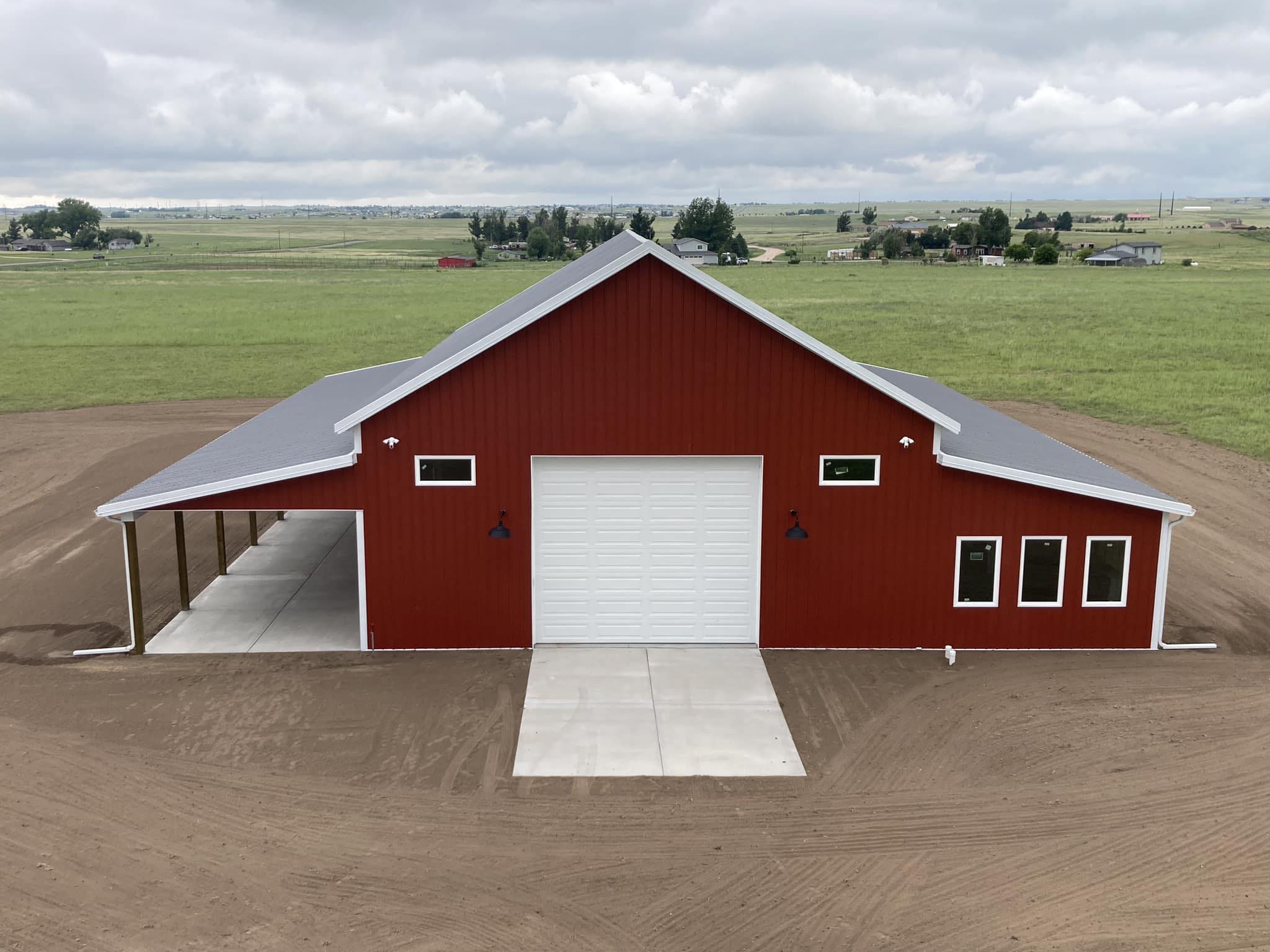
Snow load is another essential consideration for High Plains construction. Roofs must be designed to handle significant snow accumulation without compromising structural integrity. This is where the choice of roofing materials and the pitch of the roof become crucial. Metal roofs with steep pitches are ideal for shedding snow quickly, reducing the weight the roof must bear. Furthermore, ensuring that gutters and drainage systems are designed to handle melting snow will help prevent water infiltration and ice dam formation.
In terms of materials, selecting those that can withstand the harsh climate is key. We emphasize the use of durable, weather-resistant materials such as treated wood, which is less susceptible to moisture-related issues, and fiber-cement siding for its durability and minimal maintenance needs. For additional resilience, composite materials that combine synthetic and natural elements offer both strength and aesthetic appeal.
Thoughtful landscaping also contributes significantly to a building's weather resilience. By strategically placing windbreaks, such as trees or hedges, the impact of strong winds can be minimized, providing both shelter and energy savings. Elevating the structure or designing proper grading around the property ensures that rainwater and melted snow drain away from the foundation, preventing basement flooding and erosion.
Designing for the elements does not mean compromising style or comfort. At High Plains Home and Ranch Services, we integrate these construction techniques seamlessly to maintain the aesthetic appeal and livability of our projects. Our commitment to sustainability and resilience ensures that your home or ranch is not only a refuge from the elements but also a structure that blends harmoniously with the natural landscape of the High Plains.
In conclusion, constructing buildings that stand strong against the elements of the High Plains requires expertise and attention to detail. By focusing on wind resistance, insulation, snow load management, material choice, and strategic landscaping, you can achieve a structure that thrives in any weather condition. High Plains Home and Ranch Services is dedicated to providing you with the skills and knowledge required to build homes and structures that last, no matter what the weather brings.
/filters:no_upscale()/filters:format(webp)/media/975693d2-ddd8-4d7f-804b-a3ed7bc78627.jpeg)